

How to Check Tire Pressure

As a smart and responsible driver, you know regular maintenance is important to keep your vehicle running for years to come. However, when you’re driving down the streets of Pensacola, Crestview, and Fort Walton Beach, it’s hard to remember that your tires need some care sometimes, too. This is especially true when it comes to proper tire pressure. But, how do you check if your tires’ pressure is okay?
Here to help is the team at World Ford Pensacola. Below, you’ll find exactly how to check tire pressure, as well as why it’s important. Keep reading to ensure your tires are good to go before you hit the road next.
Why Is Tire Pressure Important?
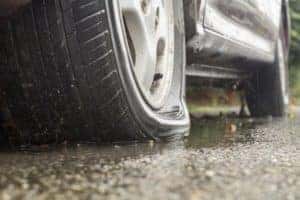 Taking good care of your tires is a great way to ensure your car is running at its fullest ability. But did you know that tires do not need to have a puncture in them to leak? Surprisingly enough, this can happen gradually over time, which is why checking your tire pressure often is important.
If your tires are underinflated, you may have a higher chance of possible damage or even complete tire failure. If there’s not enough air in them, your tires will also wear out quicker, which can result in loss of control, tire blowouts, or collisions. Not to mention, your gas mileage might decrease, as well.
Keeping your tires properly inflated will not only elevate their lifespan, it can save you money in the long and short term.
When Should I Check My Tire Pressure?
Following a good rule of thumb, checking the pressure in your tires once a month is a great place to start. However, if you’ve been driving long distances, towing heavy loads, or the weather has been extreme, it’s smart to check more often.
Before you check your tires’ pressure, you should find out exactly what PSI (pounds per square inch) your manufacturer recommends for your tires. This can be found in your owner’s manual and might fluctuate depending on the season. Then, follow the simple steps below.
How to Check Tire Pressure in Five Steps
 1. Take off the end cap on your tire’s air valve and put it in a safe place.
2. Take your tire pressure gauge and place it into the valve opening quickly.
3. Inspect the PSI reading. Taking a few readings is smart, as it can be hard to get an accurate reading the first time.
4. If the PSI level is higher than recommended, let some air out of your tire slowly, then take another reading.
5. If the PSI level is lower than it should be, it’s time to add some air in your tire. Inflate a little, then check again to see if you have enough air.
Receive Tire Service in Pensacola, Crestview, & Fort Walton Beach
After reading how to check tire pressure, it’s time to ask yourself some questions. Are you having trouble getting a correct PSI reading? Are your tires simply not holding air? Do you think there might be something wrong with your tires?
If you answered yes to any of these or have questions about your tire pressure, contact World Ford Pensacola. Our team of professionals can help with all your tire needs and get you back on the road in no time.
